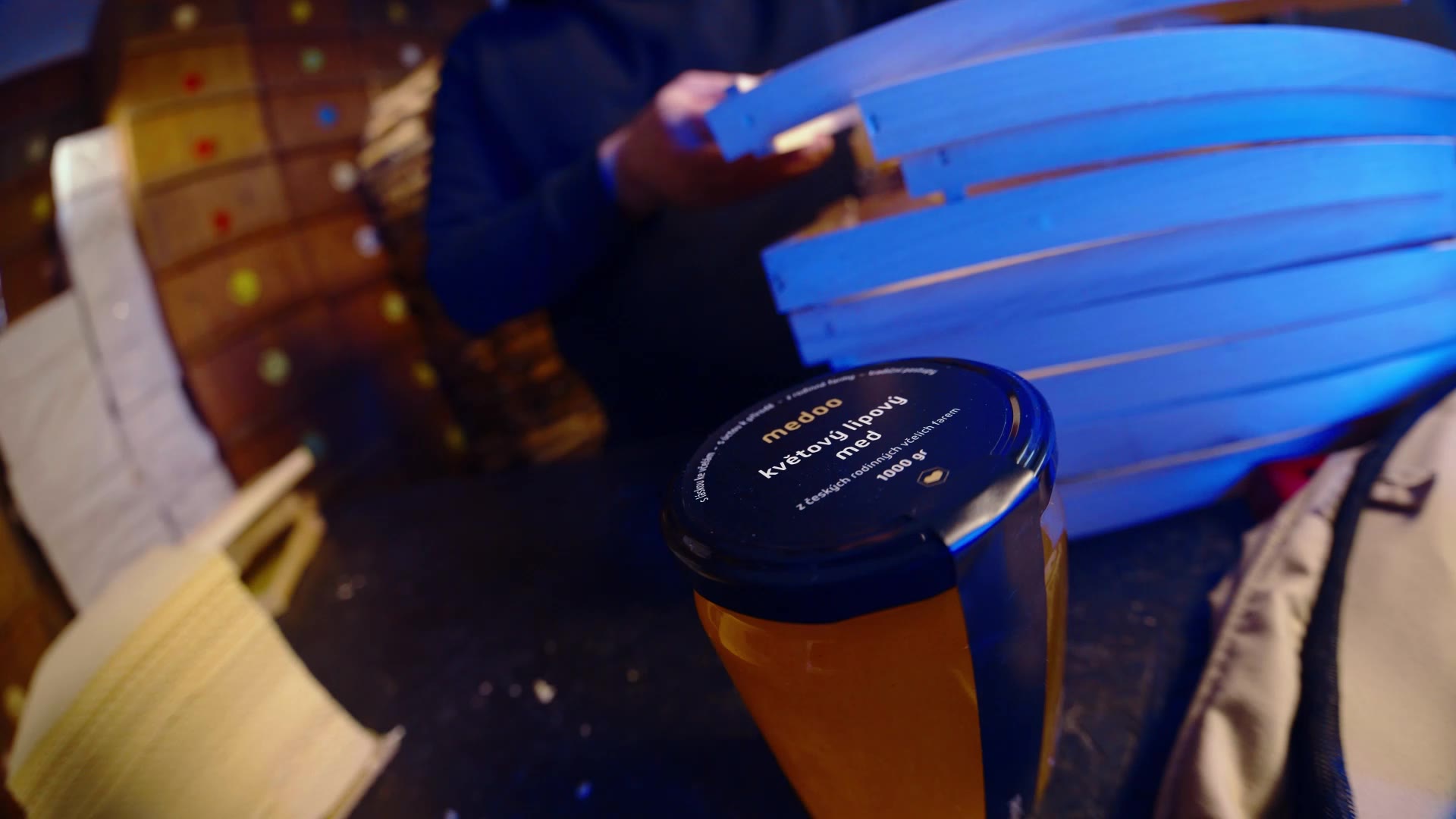
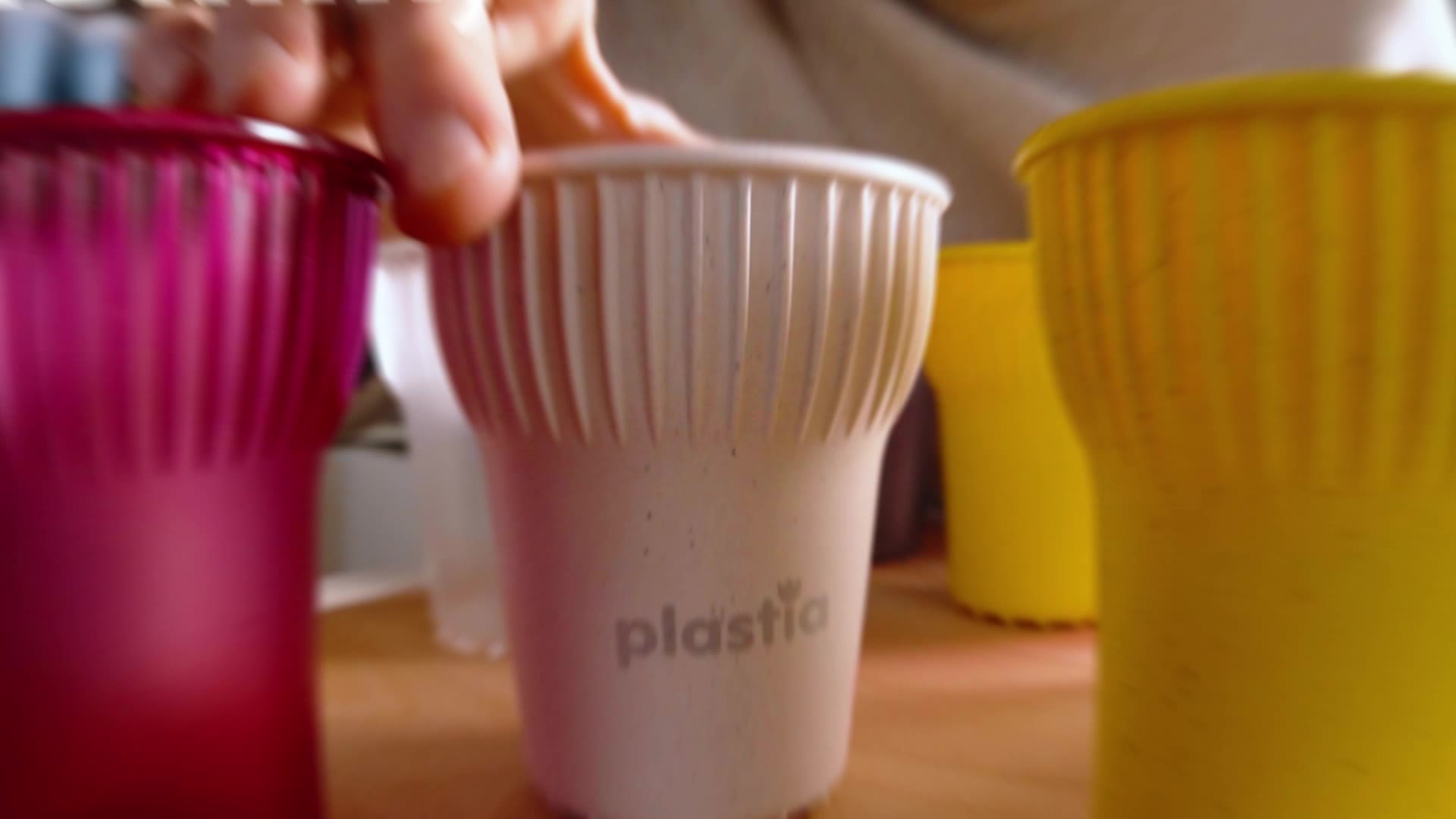
So we threw out the documentary playbook.
O2 came in with an unusually honest brief: "We want something that doesn’t look the way we’d expect — not the way we’ve always done it. Something new, a fresh look." Their earlier films about the Odvaha za milion winners were classic documentary portraits. A perfectly good format — everything necessary gets said, and none of it gets remembered.
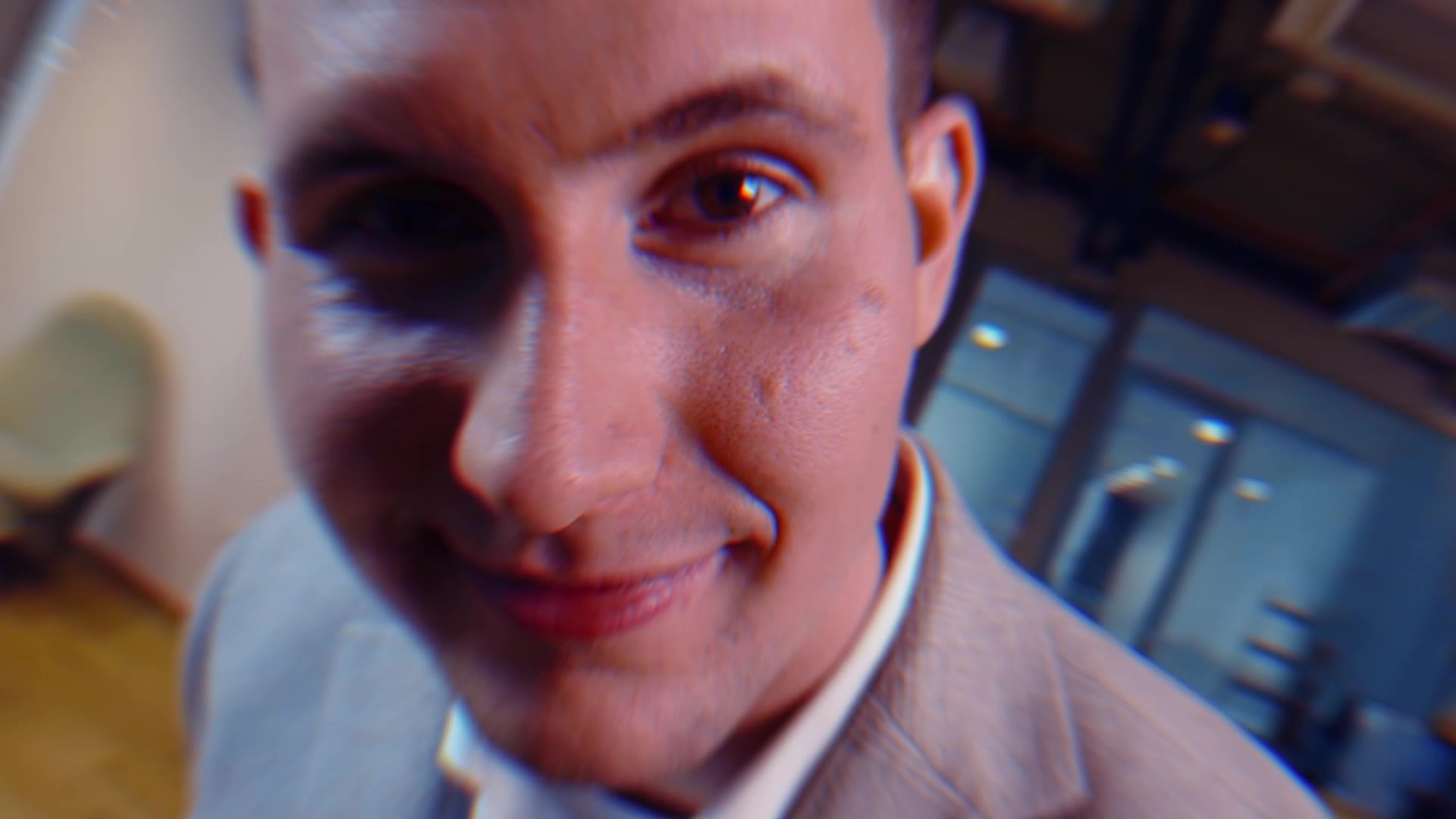
The reference I reached for wasn’t corporate video at all — it was the hip-hop music videos of the nineties, built on ultra-wide lenses that push the subject into your face and bend the room around them. On a series about people who bet everything on their own idea, that lens does the work of a whole interview: it can’t be polite, and it can’t hide.
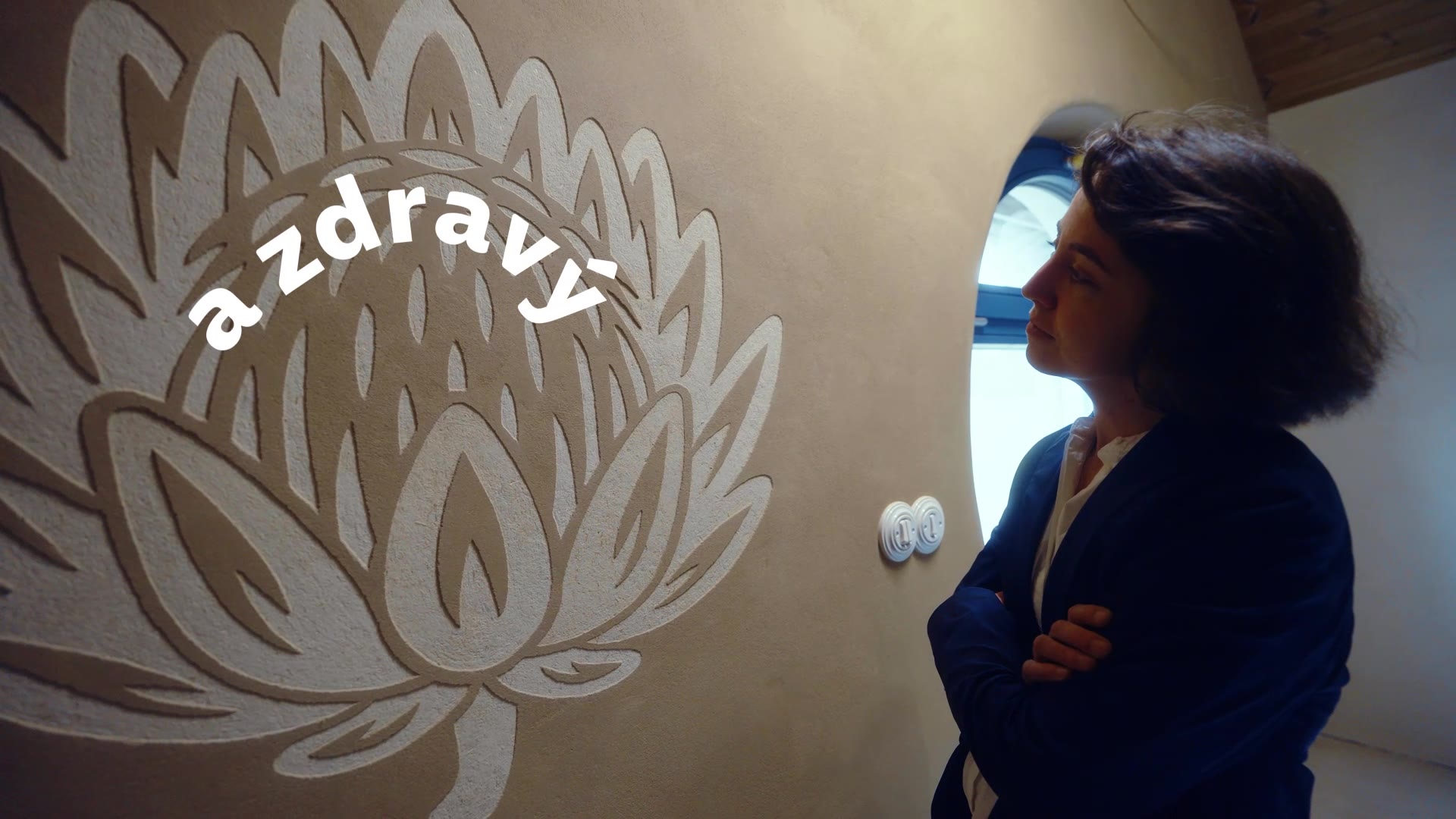
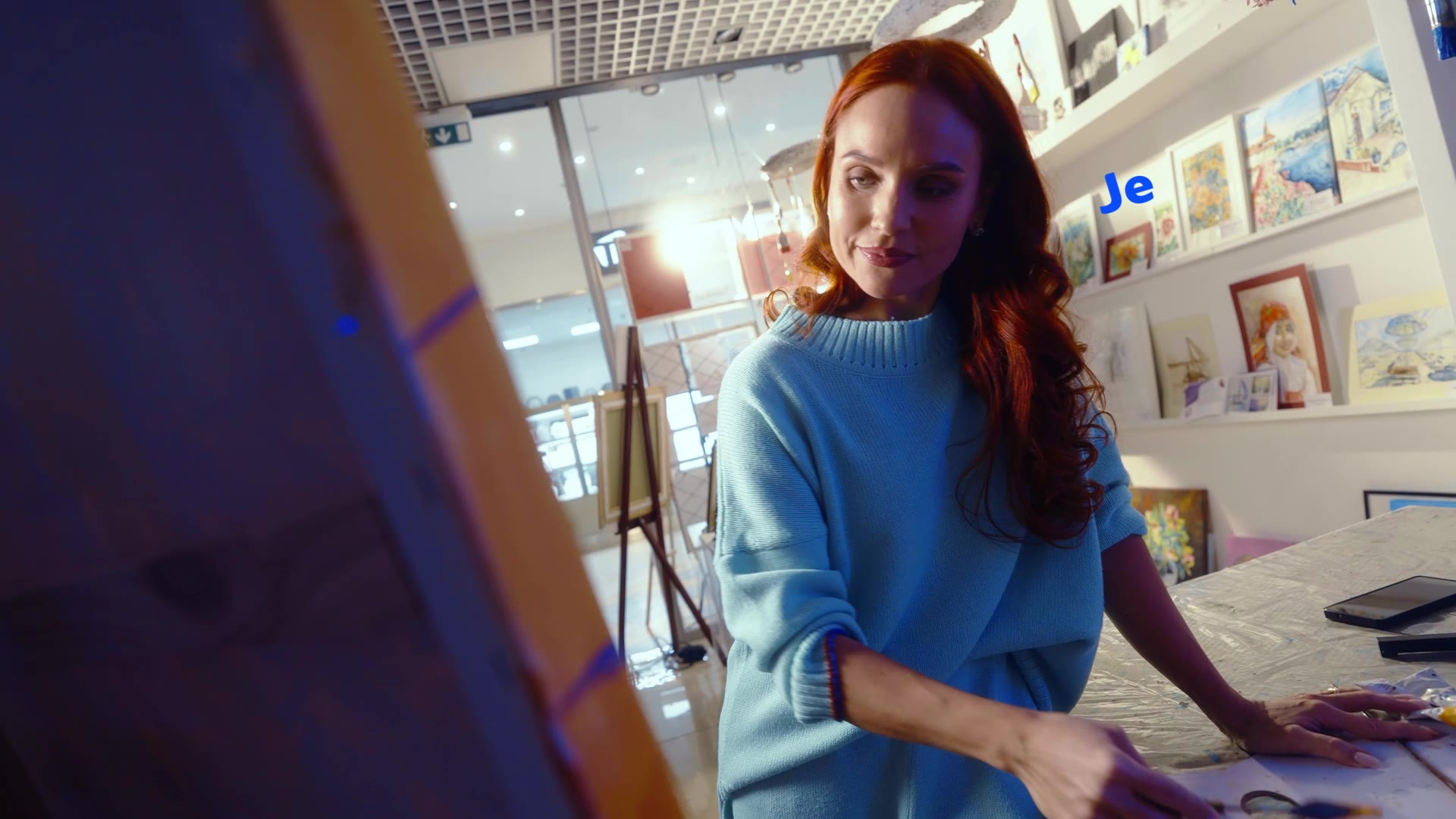
The rest of the decision was structural. These films are social first, not a TV cut trimmed down afterwards — which means hierarchy before content. What lands in the first two seconds, what the viewer gets with the sound off, what the on-screen typography has to carry on its own. The kinetic text isn’t decoration; it’s the second voice of the film, and it’s the reason the series holds up in a feed.
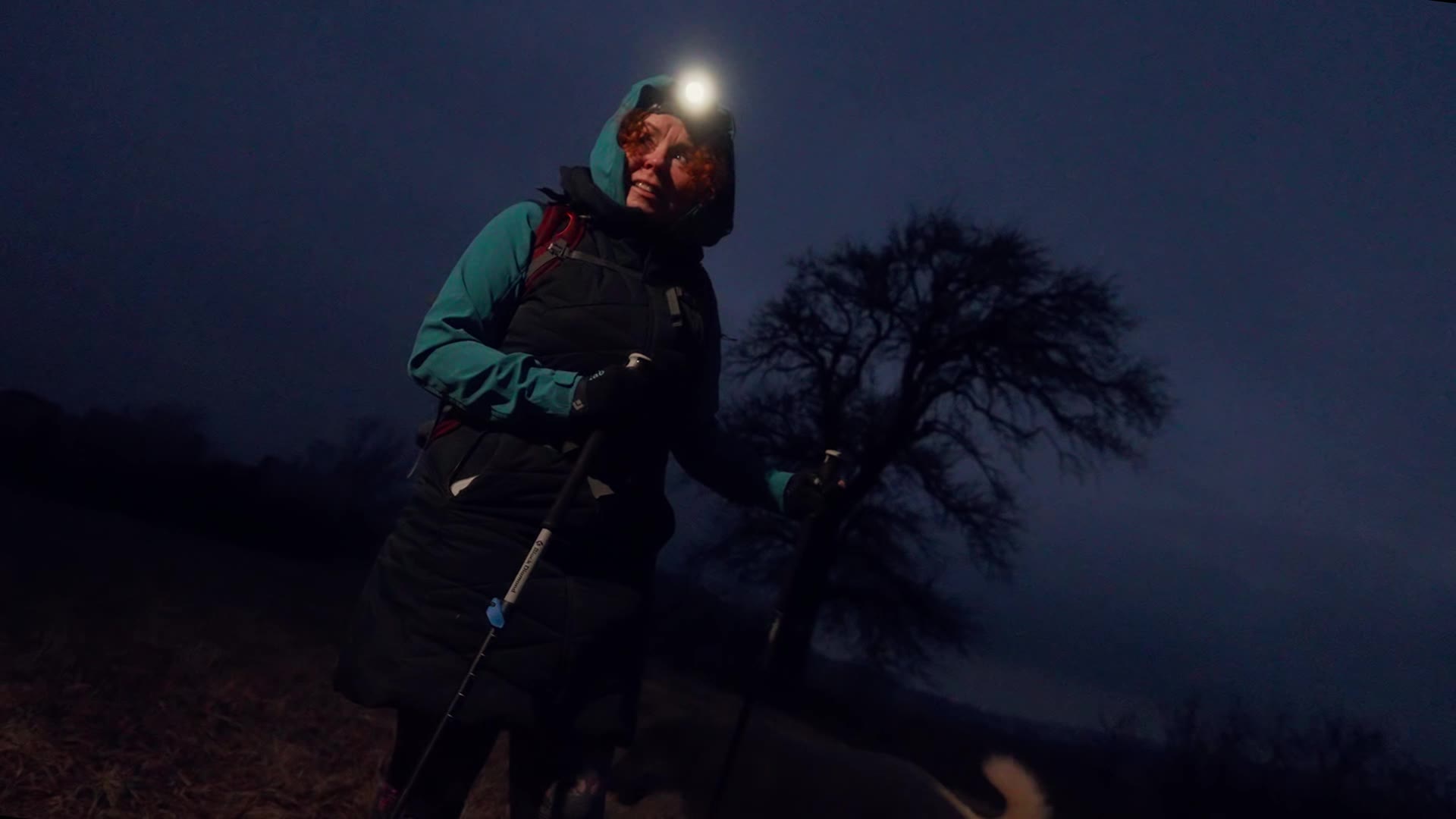
The result is a series of portraits of the entrepreneurs behind O2’s Odvaha za milion programme — a beekeeper, a plasterer working with clay, a seamstress, a mountain guide, a school founder — each shot in their own world, all of them recognisably one series.